
Table of Contents
On Monday, September 29th, international focus shifted once more to the United States as a series of high-profile developments unfolded. From urgent discussions at the United Nations to delicate negotiations in Washington, the day’s events showcased how global politics, leadership choices, and strategic decision-making intersect. Analysts emphasize that the pace of modern diplomacy requires time optimization and structured negotiation strategies in order to address crises effectively, making this moment a test of both political will and organizational discipline.
Netanyahu Meets Trump Amid Growing Strains
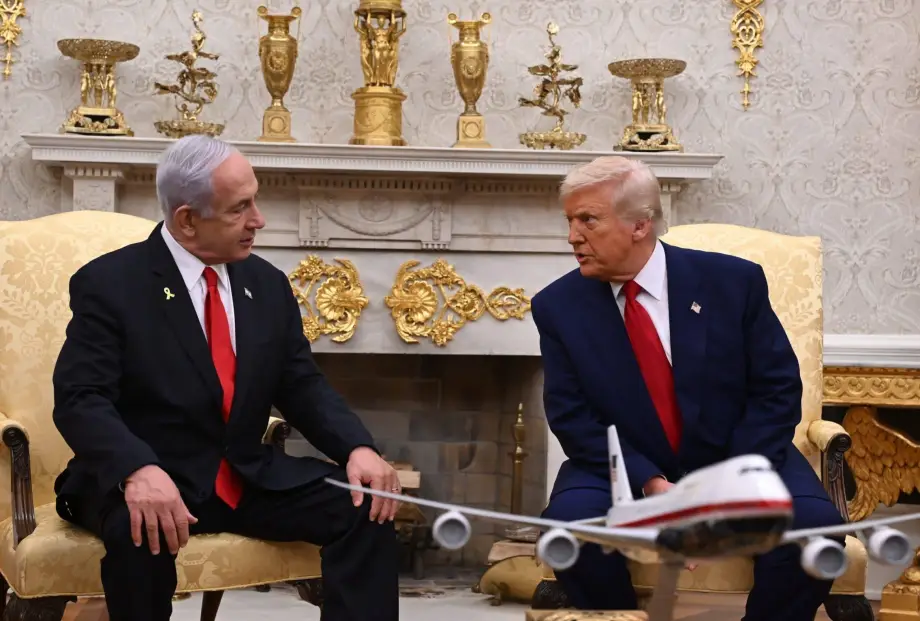
Only days after delivering a defiant speech at the United Nations rejecting calls to end the war in Gaza, Israeli Prime Minister Benjamin Netanyahu is preparing for a crucial meeting with President Trump in Washington. The timing is fraught, as Israel faces mounting international isolation, losing the support of countries that were once among its strongest allies. At home, Netanyahu’s governing coalition is showing signs of fragility, raising questions about his ability to maintain stability. According to Associated Press reporting, the White House itself is displaying signs of impatience, creating an atmosphere of heightened pressure around today’s diplomatic encounter.
High-Stakes Diplomacy and the Need for Strategic Focus
The Netanyahu-Trump meeting illustrates the complexities of high-stakes diplomacy, where outcomes hinge not only on political alignment but also on the ability to manage time, resources, and negotiations with precision. In a world where every hour counts, leaders are under increasing scrutiny to demonstrate efficiency in both decision-making and execution. These global dynamics highlight the importance of structured routines, disciplined communication, and resilience in the face of uncertainty, reinforcing that successful diplomacy demands not just political vision but also the practical skills of focus and time management that resonate far beyond government halls.
How to Optimize Time in Global Diplomacy
The upcoming meeting between President Trump and Prime Minister Benjamin Netanyahu places the war in Gaza at the center of international attention. Growing disapproval from global allies has complicated Israel’s diplomatic standing, with several Western nations already moving to formally recognize the state of Palestine. This development signals a significant geopolitical shift that poses challenges not only for Netanyahu but also for President Trump as he attempts to position the United States as a central mediator in the conflict. The decisions made in Washington will reverberate far beyond the Middle East, shaping alliances, negotiations, and future peace efforts.
Trump’s Peace Plan and Ceasefire Proposal
In the aftermath of the United Nations General Assembly, President Trump introduced a peace plan designed to appeal to Arab, Muslim, and Israeli leaders. The proposal begins with an immediate ceasefire, coupled with the release of hostages and the return of remains, as an essential humanitarian step. The second phase envisions the formation of a transitional authority that would pave the way toward structured negotiations on the creation of a Palestinian state. This framework places pressure on all parties involved to act swiftly and demonstrates the administration’s push to balance diplomacy, humanitarian concerns, and long-term stability in the region.
Netanyahu Faces Coalition Divisions
For Prime Minister Netanyahu, the peace plan represents a political dilemma as well as a diplomatic test. Within his fragile governing coalition, hardliners remain staunchly opposed to any recognition of Palestinian statehood, creating internal conflict at a time when international scrutiny is intensifying. Netanyahu must now choose whether to confront his political base directly, risking the collapse of his coalition, or attempt to delay the peace process through proposed adjustments. The outcome of this decision will determine not only the future of Israeli politics but also the credibility of Trump’s peace initiative and the trajectory of U.S. involvement in Middle Eastern diplomacy.
Best Strategies for Building Agreement and Focus
Although the Israel–Gaza border has remained quiet with no significant activity reported, the diplomatic landscape is anything but calm. Analysts emphasize that while calls for an immediate ceasefire and hostage release may seem straightforward, Hamas has historically resisted such agreements, relying on hostages as leverage to strengthen its position. This dynamic has frequently provided Prime Minister Benjamin Netanyahu with political cover, as Washington has consistently placed the blame for stalled negotiations on Hamas. The situation highlights how hostages remain a central factor in the fragile balance of diplomacy and public perception.
Global Diplomacy Shifts to New York
The pressing question now is whether Hamas has shifted its stance enough to allow pressure to fall more directly on Netanyahu. Much of the latest international diplomacy has been concentrated in New York, where leaders at the United Nations General Assembly are actively involved in shaping potential resolutions. Instead of direct talks with Hamas, the focus has turned toward state-level negotiations and global consensus-building. This strategic shift underscores the importance of multilateral engagement, with world leaders working to influence the trajectory of the conflict through international forums rather than direct battlefield action.
Mounting Domestic Pressure on Netanyahu
Inside Israel, Netanyahu faces growing domestic challenges that add complexity to his diplomatic decisions. His coalition, pieced together after repeated inconclusive elections, remains fragile and divided. Key figures such as the National Security Minister and the Finance Minister have made clear they will not back any recognition of a Palestinian state, effectively limiting Netanyahu’s options. At the same time, public pressure from Israeli citizens continues to intensify, with families of hostages demanding urgent action. Critics fear that Netanyahu may seek to prolong the conflict to maintain political leverage rather than prioritizing the release of hostages, creating deep divisions within Israeli society and raising doubts about the government’s long-term strategy.


