BREAKING NEWS DESK | INTERNATIONAL BUREAU | JUNE 7, 2026
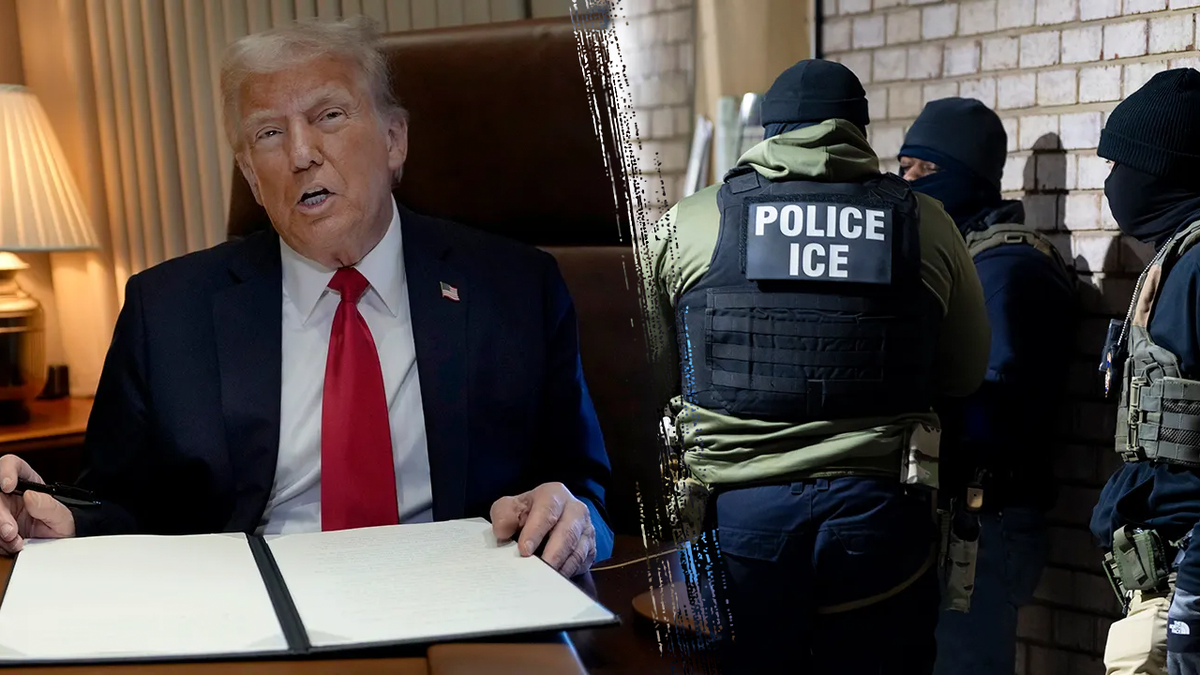
The Trump administration’s immigration enforcement operation has reached a scale not seen in modern American history, with the White House confirming this week that more than 2.5 million people have left the United States since President Donald Trump returned to office, combining forced deportations, voluntary departures, and a historically unprecedented wave of self-deportation driven by fear of arrest, detention, and removal.
The White House disclosed that Immigration and Customs Enforcement has deported more than 605,000 people through formal removal orders, while an additional 1.9 million individuals chose to leave voluntarily, a figure administration officials describe as evidence that their enforcement posture alone functions as a powerful deterrent. The United States recorded negative net migration in 2025, the first time in at least half a century that more people left the country than arrived, a demographic shift with profound long-term consequences for labor markets, social security financing, and economic growth.
ICE arrests have climbed to approximately 1,200 per day at peak enforcement periods, the highest levels since the Obama administration, though the character of those arrests has shifted dramatically. Data obtained by investigative journalists through Freedom of Information Act litigation reveals that the majority of people arrested by ICE in recent months carry no criminal convictions, directly contradicting the administration’s consistent public messaging that enforcement operations target the “worst of the worst” violent offenders. The number of immigrants held in ICE detention facilities grew from roughly 39,000 per day when Trump returned to office to nearly 70,000, straining facility capacity and generating legal challenges across the federal court system.
The administration has also radically curtailed legal immigration pathways. Analysts at the libertarian Cato Institute, who are not natural allies of Democratic immigration advocates, describe the reductions in family-based visas, employment-based green cards, and other legal channels as a transformation with no precedent in modern immigration history. Every major legal immigration category has faced cuts, producing backlogs, delays, and outright denials that affect skilled workers, family members of American citizens, and refugees who followed the rules that the United States itself wrote.
The State Department redirected $250 million originally allocated for refugee resettlement programs to fund the administration’s self-deportation initiative, a decision that forced refugee-serving organizations across multiple states to close their doors and left thousands of recently resettled individuals without the support services their integration into American communities required.
Immigrant communities across the country report that fear of enforcement operations has changed daily behavior. Parents pull children from schools. Workers avoid seeking medical care. Witnesses to crimes decline to contact law enforcement. Economists tracking labor market data in sectors with historically high immigrant workforce shares, including agriculture, construction, hospitality, and healthcare, document tightening labor supply that drives wages up in some markets while creating operational crises in industries that cannot easily replace workers on short timelines.
Read Read: Iran 88-Day Internet Blackout Ends as Regime Restores Access Amid Ceasefire Talks But Human Rights Groups Warn of Ongoing Mass Arrests and Executions
Legal challenges have multiplied across federal courts. Habeas corpus petitions filed on behalf of detained immigrants have reached unprecedented volumes, as lawyers argue that the administration’s expedited removal procedures, extended nationwide beyond their traditional border-adjacent application zones, deny individuals their constitutional right to judicial review. Federal judges in multiple circuits have issued stays, injunctions, and rulings that partially constrain enforcement operations, though the administration has appealed aggressively and found receptive audiences in appellate courts reconstituted with Trump-appointed judges
The political consequences remain contested. Supporters of the crackdown argue that robust enforcement restores rule of law, protects American workers, and fulfills a clear electoral mandate. Critics, including civil rights organizations, faith communities, business associations, and some Republican elected officials in agriculture-dependent districts, warn that the combination of mass deportation and legal immigration collapse threatens economic sectors that cannot function without foreign-born workers and creates humanitarian violations that damage America’s global reputation.