
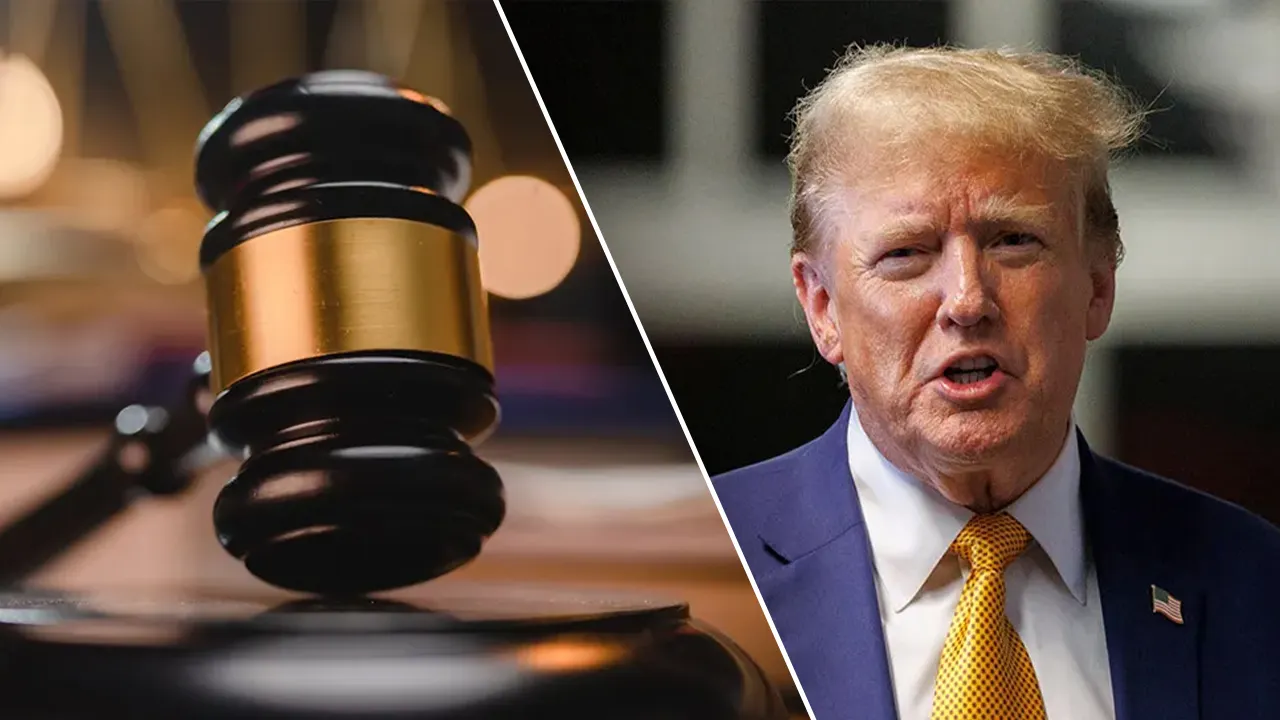
Trump administration’s immigration enforcement campaign reached a new institutional threshold last week when it permanently closed the Office of the Immigration Detention Ombudsman on May 6, 2026, eliminating the primary federal mechanism for reviewing abuse and misconduct claims in the U.S. immigration detention system at a moment when detention populations are growing rapidly.
The office’s official website now carries an “archived content” label. It was one of three oversight offices that collectively lost more than 100 staff members in 2025 under the administration’s workforce reduction programme. Immigration advocates have described the closure as a deliberate dismantling of accountability infrastructure at a moment when the administration is simultaneously expanding the detention system’s scale and geographic reach.
The closure arrived in the same week that a federal judge in the Southern District of New York blocked the administration’s termination of Temporary Protected Status for Yemeni immigrants. The order came on May 1, 2026, one day before the May 4 termination date that former Homeland Security Secretary Kristi Noem had established. The ruling extends Employment Authorization Documents for Yemeni TPS holders with expiration dates in March 2023, September 2024, and March 2026.
The legal collision between the administration’s enforcement agenda and the federal judiciary has become the defining structural feature of immigration policy in 2026. Courts have repeatedly blocked specific enforcement actions while the administration identifies new legal pathways to achieve the same practical results. The TPS ruling for Yemeni nationals follows similar injunctions protecting TPS holders from El Salvador, Haiti, and Venezuela.
The administration’s January 26, 2026 order, which suspended all immigrant visa processing for citizens of 75 countries, was updated quietly on May 3, 2026, with no formal announcement. The USCIS website reflects the change, but immigration lawyers only identified it through routine monitoring of federal agency websites, a pattern that legal advocates say reflects a deliberate strategy of implementing policy changes without public scrutiny.
One partial reversal: USCIS has resumed processing visa and green card applications for medical doctors following intensive lobbying from a broad coalition of medical associations citing physician shortages in rural and underserved communities. The reversal does not address the broader backlog of pending applications, which continues to grow.
The economic consequences of the immigration contraction continue to mount. The Congressional Budget Office’s projection of 5.3 million fewer U.S. residents a decade from now carries fiscal implications that go beyond any individual enforcement action. Smaller taxpayer bases mean higher per-capita debt obligations. Reduced consumer spending means slower GDP growth. Fewer workers in construction, agriculture, healthcare, and food service means supply constraints and wage inflation in sectors that have historically depended on immigrant labor.
The Brookings Institution’s analysis is direct: in recent years, nearly all labor force growth has come from immigration. Negative net migration in 2026 will produce weak employment growth at best and job contraction in specific sectors at worst. The Congressional Budget Office calculates that immigration actions during Trump’s first year back in office will add more than half a trillion dollars to the federal deficit by 2035, a finding that complicates the administration’s fiscal messaging considerably.
Read More: Trump Warns Iran to ‘Sign a Deal Fast’ as US Strikes Hit Iranian Military Facilities on Day 71 of Middle East War That Has Transformed the Global Energy Order
For the 75 countries whose citizens face suspended visa processing, the practical impact is total. Families separated by visa delays face indefinite uncertainty. Businesses that sponsored foreign workers now operate in permanent hiring limbo. Universities that depended on international students for graduate programme staffing report enrollment collapses in science and engineering departments.
The administration has framed its immigration posture as necessary for border security and wage protection for American workers. Critics argue that the economic data points in the opposite direction and that the closure of oversight mechanisms like the Detention Ombudsman removes the transparency that democratic governance requires in any system where the state exercises coercive power over individuals.
The legal battles will continue through federal district courts and inevitably toward the Supreme Court. But each week of enforcement compounds effects that will take years to reverse even if courts ultimately curtail the administration’s legal authority.


