
Sunday, May 10, 2026 | By USA News Trend Policy Desk
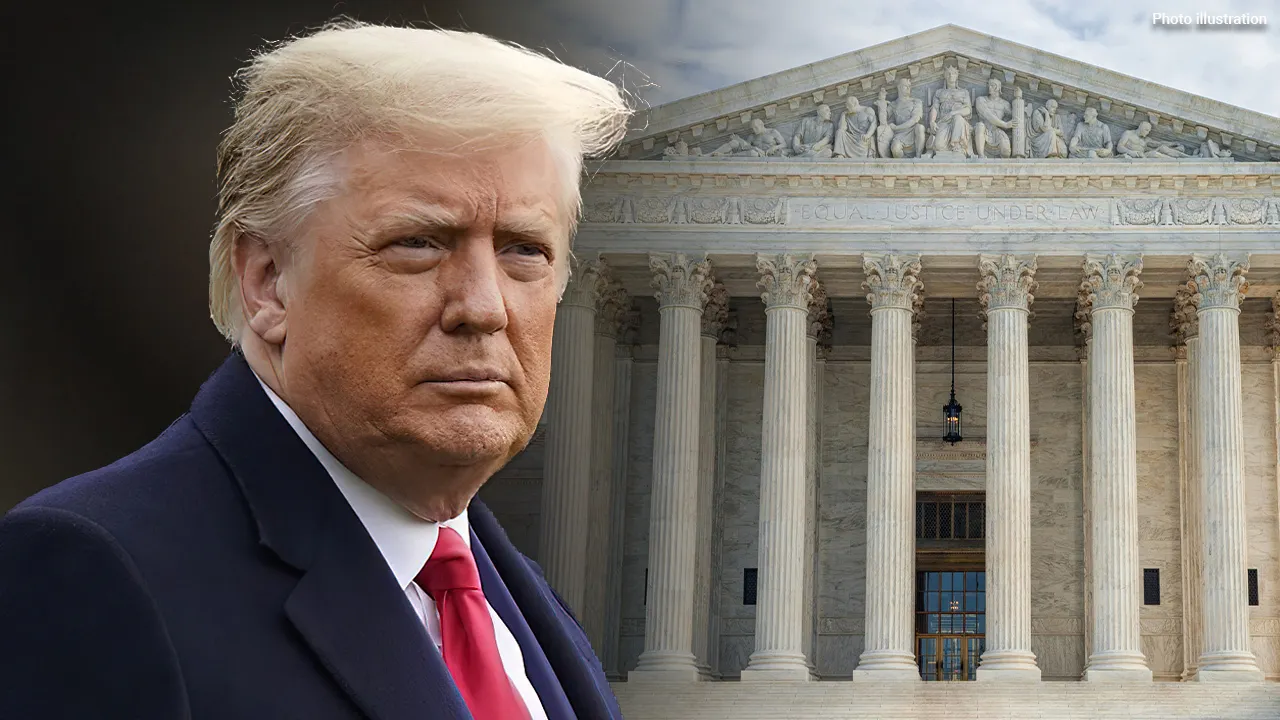
When the US Supreme Court ruled six to three in January 2026 that the International Emergency Economic Powers Act did not authorize tariffs, it stripped the Trump administration of its most flexible trade weapon midstream. Trump’s response, invoking Section 122 of the Trade Act of 1974 to impose a 10 percent baseline global tariff in February, was always legally risky. Thursday’s ruling by the US Court of International Trade, finding that Section 122 also did not support the tariff, has left the administration’s trade policy framework in serious legal jeopardy for the second time in four months.
The legal saga reflects a fundamental constitutional tension that the Trump administration’s trade agenda has made unavoidable. Congress holds the power to regulate trade under the US Constitution. Over decades, it delegated significant trade authority to the executive branch through statutes including IEEPA and the Section 232 national security provision. Trump’s aggressive use of those delegations to impose tariffs far beyond what Congress arguably contemplated has now twice drawn judicial limits. The courts are effectively telling the executive branch that emergency powers are not blank checks.
The Tax Foundation calculated that before accounting for foreign retaliation, Trump’s tariff program represented the largest US tax increase as a share of GDP since 1993. The combined impact on US households reached an average of $1,500 in 2026. That figure includes higher prices on imported consumer goods, electronics, clothing, appliances, and auto parts, all of which saw retail price increases as importers and retailers passed tariff costs through the supply chain. Low-income households, who spend a larger share of their budgets on goods, bore a disproportionate share of the burden.
The administration’s legal options following Thursday’s ruling are not exhausted. The Section 232 national security tariff authority, which the trade court did not challenge in this ruling, remains available for sector-specific tariffs on steel, aluminum, automobiles, and semiconductors. The administration could appeal the trade court’s Section 122 ruling and seek emergency stays while the legal process continues. Congress could theoretically pass new legislation authorizing the tariffs. The White House has not commented publicly on its specific legal strategy following the ruling.
Trading partner governments reacted to the ruling with cautious satisfaction but avoided triumphalism. Retaliation that they imposed in response to Trump’s tariffs, covering an estimated $223 billion of US exports annually, remains in place. Unwinding that retaliation requires negotiated commitments, and those negotiations have proceeded unevenly. Japan and India have shown the most progress toward bilateral trade frameworks. China and the EU have taken harder positions, noting that US tariff policy uncertainty makes long-term trade commitments difficult to sign.
The pharmaceutical tariff threat, entirely separate from the broader tariff regime, continues to alarm the healthcare industry. Signals from the administration suggest that duties on drug imports could reach 200 percent by mid-to-late 2026. The US pharmaceutical supply chain depends heavily on active pharmaceutical ingredients manufactured in India, finished drug products from Ireland and other EU countries, and generic drugs produced across East Asia. Tariffs at the threatened level would produce drug shortages and price increases that would directly affect patients managing chronic conditions.
American manufacturers who were supposed to be the primary beneficiaries of the tariff policy are sending mixed signals. Companies in sectors where domestic production genuinely competes with imports have welcomed the protection. But manufacturers who depend on imported components, raw materials, or intermediate goods report that tariff costs have overwhelmed any competitive benefit from import restrictions. The automotive industry, which sources parts from dozens of countries under complex just-in-time supply chain arrangements, has been particularly vocal about the operational chaos created by tariff uncertainty.
Read More: US Gas Prices Near $5 Per Gallon as Project Freedom Fails to Calm Oil Markets and Global Economy Faces Recession Warning
The Federal Reserve is navigating the tariff environment with particular care. Higher tariffs push inflation up, which would normally argue for tighter monetary policy. But tariffs also slow growth, which would argue for easing. This is precisely the stagflation dilemma that central banks dread, and the Fed has been carefully communicating that it will ‘balance’ these pressures rather than respond mechanically to either the inflation or the growth signal. Markets have struggled to anticipate Fed policy in this environment, contributing to elevated volatility in bond and equity markets.
The legal and political battle over American trade policy will not be resolved quickly. Courts will deliberate, the administration will pursue alternative legal avenues, and trading partners will continue calibrating their responses to a US trade policy that has changed direction more times in two years than in the previous two decades. For businesses that depend on predictable trade rules to plan investments, hire workers, and sign supply contracts, the uncertainty itself is a form of tariff, taxing their ability to operate efficiently regardless of the ultimate legal outcome


