
US Economy economy delivered a stronger-than-expected jobs report this month, with employers adding significantly more workers than the projected 65,000 gain analysts had forecast. The numbers painted a picture of a labor market that continues to show remarkable resilience, even as the broader economy grapples with persistently high inflation driven in part by the global energy crisis stemming from the Iran war.
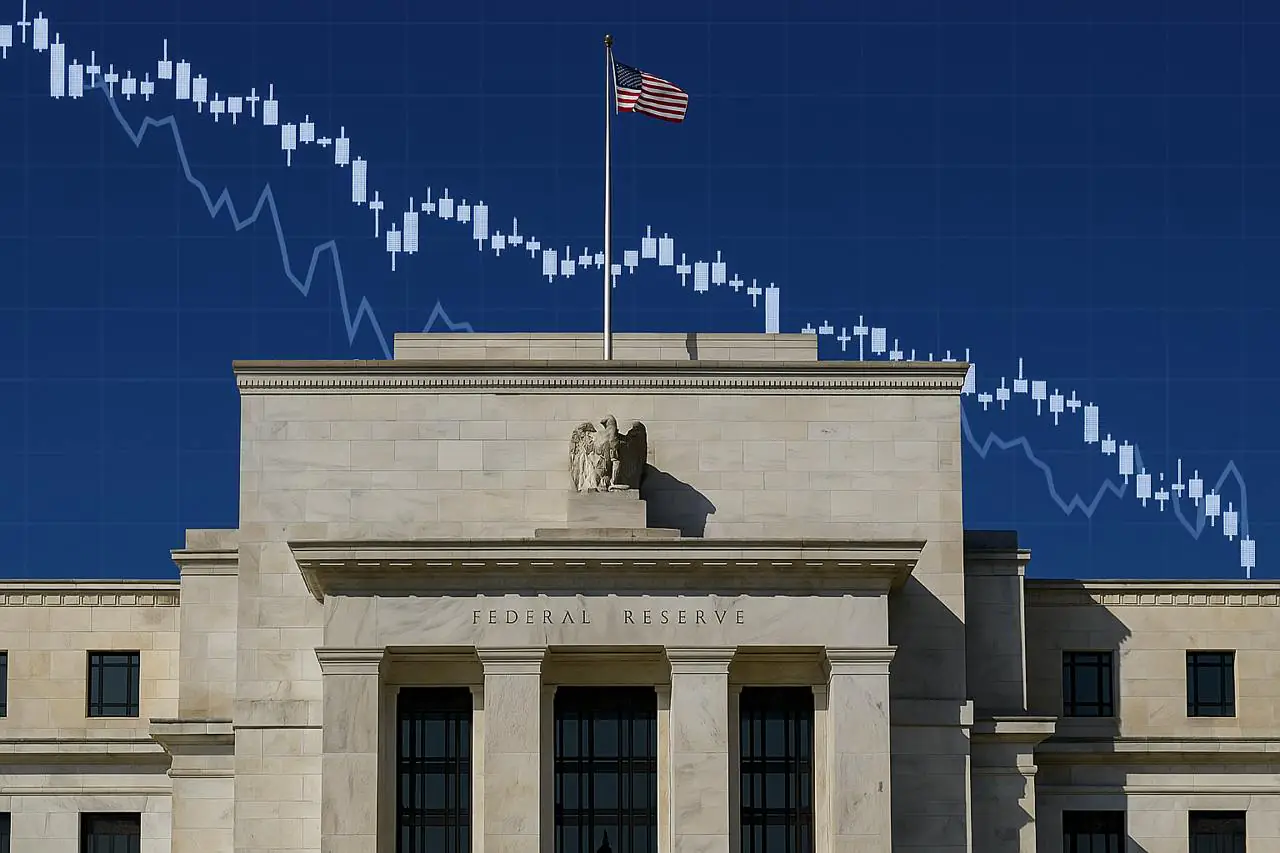
The jobs surprise, however, has complicated rather than clarified the Federal Reserve’s next move. Bank of America economists warned this week that a “hawkish” turn at the Fed, combined with stubbornly high inflation, could delay interest rate cuts that many businesses and consumers had hoped were coming in the second half of 2026. Higher-for-longer interest rates mean continued pressure on mortgage markets, business borrowing costs, and consumer credit.
Mortgage rates remain elevated, making homeownership more difficult for first-time buyers and reducing the refinancing opportunities that existing homeowners hoped for after years of high rates. The housing market, while not in collapse, is operating well below the activity levels that would generate broad-based economic confidence. Real estate professionals in major metropolitan areas report that buyer traffic remains thin outside the luxury segment.
The administration is pulling multiple levers to try to ease economic pressure. Energy Secretary Chris Wright confirmed that the administration is exploring every possible tool to lower fuel costs, including a potential suspension of the federal gas tax and further draws on the Strategic Petroleum Reserve. But Wright was clear that the biggest driver of high gas prices is the closure of the Strait of Hormuz, and that domestic policy tools have limited power against a global supply shock of this magnitude.
A trade court ruling this week added another complication, partially limiting the scope of the administration’s 10 percent baseline tariff, though the ruling offered only narrow relief to importers and left most of the tariff architecture intact. Businesses that import goods from multiple countries are still navigating complex compliance costs and supply chain adjustments that have added friction to the economy at exactly the wrong moment.
AI and technology investment continues to be a bright spot in the economic landscape. Major technology companies are reporting strong earnings driven by enterprise AI adoption, cloud computing growth, and semiconductor demand. But even technology sector optimism is tempered by rising energy costs for data centers, talent shortages, and ongoing uncertainty about the global regulatory environment for artificial intelligence.
Read More: United States Economy Adds 115,000 Jobs in April as Iran War Strains Labor Market and Energy Costs Spike
For ordinary Americans, the economic picture feels contradictory. Jobs are plentiful, but wages are not keeping pace with the cost of living as fuel, food, and housing remain expensive. The financial advice industry is grappling with a wave of American workers turning to AI chatbots for retirement planning guidance, reflecting both the democratization of financial advice and the anxiety people feel about their long-term financial security. Experts note that while AI can provide useful information, it cannot replace personalized advice from fiduciaries who understand individual circumstances.
The path through the second half of 2026 depends heavily on events outside America’s borders. If the Strait of Hormuz reopens and global oil prices fall, inflationary pressure could ease enough to give the Fed room to cut rates. If the Iran conflict drags on and energy prices stay high, the US economy faces the uncomfortable combination of solid employment and persistent cost-of-living pain that makes voters unhappy regardless of what the jobs numbers say.


