
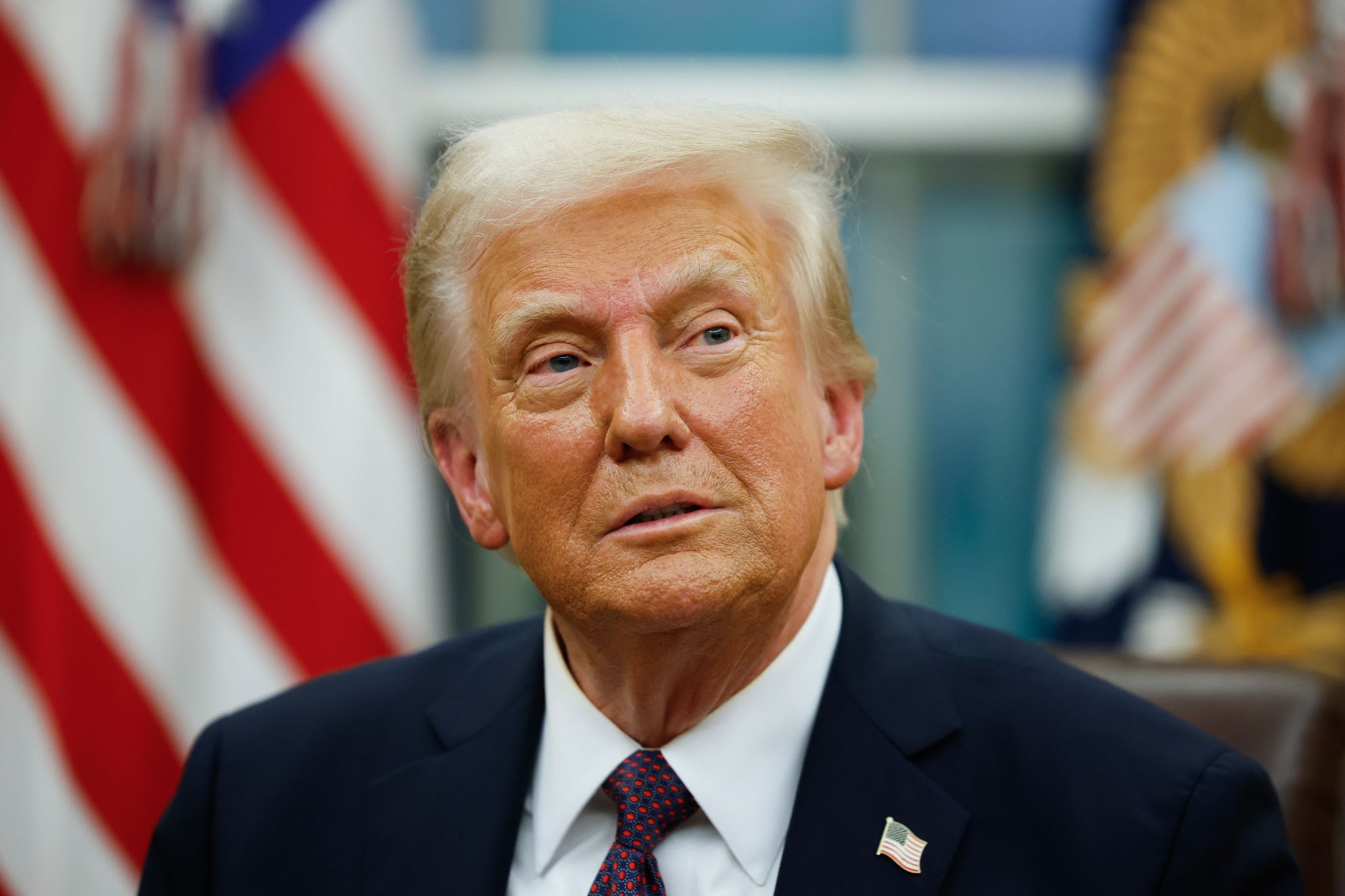
The blockade went into effect Monday morning, April 13, 2026, after peace talks in Islamabad between U.S. and Iranian negotiators collapsed after 21 hours of failed negotiations. Trump, returning to the White House from Mar-a-Lago, confirmed the measure and dismissed concerns about its economic impact, saying Iran’s military had already been effectively neutralized.
Energy analysts are far less sanguine. Brent crude, the international benchmark, had already climbed more than 31% since the U.S. military campaign against Iran began in late February, closing at over $95 per barrel last Friday. Sunday night’s surge through $101 per barrel means the full pass-through to retail gasoline prices has not yet been felt by consumers.
Beyond the pump, the Iran crisis is rippling through the broader economy. The war has disrupted supply chains for fertilizer, packaging materials, and a wide range of consumer goods that depend on Persian Gulf shipping routes. Economists warn that the second-wave inflationary effects from these supply chain disruptions will start showing up in supermarkets and big-box retailers within weeks.
Democratic lawmakers moved quickly Monday to blame the administration’s diplomatic failures for the economic pain heading toward American households. Republicans largely rallied behind the president, framing the blockade as a necessary display of strength that previous administrations had failed to project.
With no resolution in sight and Trump reportedly weighing a resumption of limited military strikes on Iran, the trajectory of oil prices, consumer costs, and global economic stability remains deeply uncertain heading into a volatile election season


