The United States economy is navigating a dangerous confluence of pressures in April 2026, with oil prices crossing $97 per barrel for West Texas Intermediate crude, the effects of broad tariff policies dampening trade and business investment, and the Federal Reserve holding interest rates steady while trying to read an economic environment that defies simple categorization. Economists across the political spectrum are increasingly using a word that Washington policymakers have tried hard to avoid: stagflation.
The inflation picture is complicated. Core consumer prices have been moving in a direction the Fed finds acceptable, but energy costs, which feed into virtually every sector of the economy from food production to transportation to manufacturing, have surged dramatically as a result of the Strait of Hormuz blockade and the broader US-Iran conflict. When oil climbs from around $72 per barrel in late February to nearly $100 today, the inflationary impact is not confined to gas stations. It ripples through supply chains, raising the cost of almost everything Americans buy.
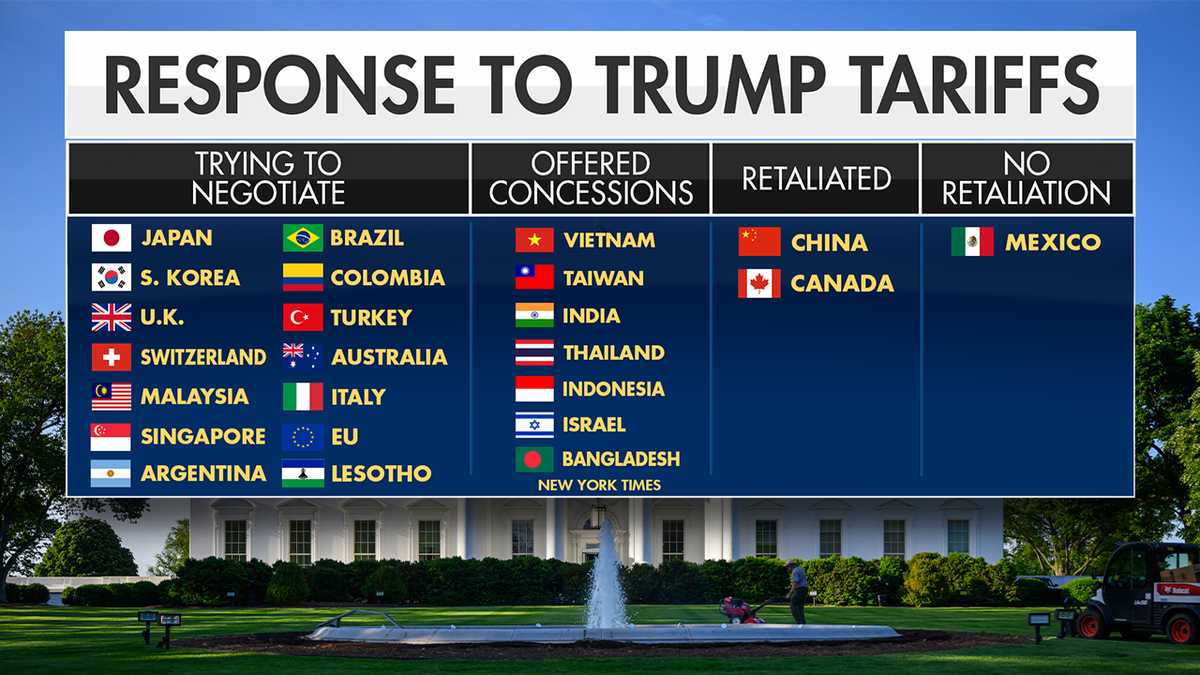
At the same time, the economy is showing clear signs of slowing. The tariffs that the Trump administration has maintained and in some cases expanded throughout 2025 and into 2026 have raised costs for American manufacturers that depend on imported components, and have invited retaliatory measures from trading partners that have reduced export opportunities for American farmers and industrial producers. Business investment in several key sectors has slowed as companies wait to see how the geopolitical and trade environment stabilizes before committing capital.
The labor market tells a mixed story. Overall unemployment remains relatively contained, but the unemployment rate for younger workers has risen faster than for older employees, reflecting how AI-driven automation is disproportionately eliminating entry-level and junior roles. The tech sector layoffs announced this week by Meta and Microsoft will add to that dynamic, as many of the roles being eliminated are positions that recent graduates and early-career workers would have competed for.
The Federal Reserve, led by Chair Jerome Powell, faces a textbook stagflation trap. Raising interest rates would address the inflation component but would further slow an economy already weighed down by tariff-related costs and geopolitical uncertainty. Cutting rates would support growth and employment but risks accelerating inflation at a moment when energy costs are already pushing prices higher. The result is likely to be an extended period of rate holds, which themselves carry costs by preventing the refinancing of adjustable-rate mortgages and business loans at lower rates.
Stock markets reflected this uncertainty throughout the week. The S&P 500 reached a new all-time intraday high on Thursday before closing lower, a pattern that has characterized much of 2026. Corporate earnings from major companies have generally been solid, reflecting the genuine strength of American businesses in sectors like AI infrastructure, healthcare, and domestic services. But geopolitical risk premiums are rising, meaning investors demand higher returns to hold risky assets, which pushes stock valuations down even when underlying earnings are good.
The housing market, a critical indicator of consumer confidence and economic health, is also under pressure. Elevated mortgage rates, which have stayed high because the Fed has not cut interest rates, combined with the economic uncertainty of the Iran war, have kept would-be buyers on the sidelines. Home construction has slowed, and existing home sales remain well below pre-2022 levels, contributing to an affordability crisis that is now acute across most major American metropolitan areas.
American consumers are adjusting their behavior in measurable ways. Retail sales data shows slowing growth in discretionary categories like restaurants, travel, and entertainment, while spending on necessities including groceries and utilities remains high, in part because those prices are elevated. Consumer sentiment surveys show declining confidence for the fourth consecutive month, a trend that tends to become self-fulfilling if it persists, as lower confidence leads to lower spending, which slows growth further.
The political dimension of the economic situation is significant. President Trump has attributed much of the economic stress to the Iran conflict and to what he characterizes as a necessary reckoning that will ultimately produce stronger American economic and security positions. His opponents argue that the tariff policies, the immigration restrictions that are reducing the labor supply, and the geopolitical brinkmanship that contributed to the Iran war are self-inflicted wounds. The voters who will adjudicate between those positions in the 2026 midterm elections are living the consequences in real time.