
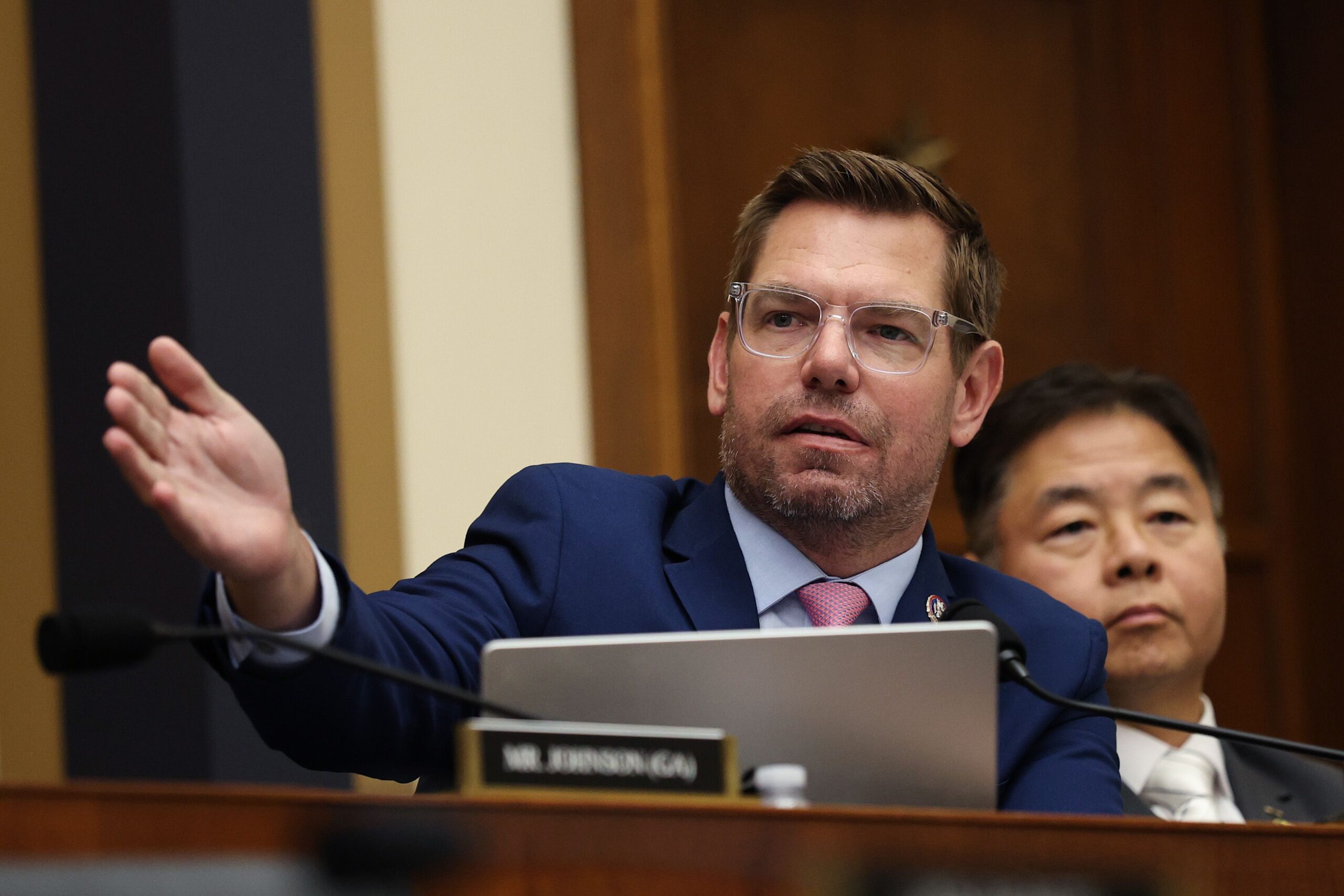
Swalwell suspended his gubernatorial campaign on Sunday following the publication of allegations of sexual misconduct that immediately caused his campaign to disintegrate. Senior staff resigned. Major donors distanced themselves. And Democratic officials who had previously backed him publicly called for his withdrawal, signaling that the party was unwilling to defend him.
The political fallout reached Congress within hours. Republican Representative Anna Paulina Luna moved to initiate formal expulsion proceedings, and Democratic voices including Representative Pramila Jayapal supported the call, framing the issue as one of fundamental accountability regardless of partisan affiliation. The rare cross-aisle consensus around expulsion proceedings reflects a political moment in which misconduct allegations carry immediate and severe electoral consequences.
The developments leave California’s Democratic field for governor in a state of flux. Swalwell had been positioning himself as a progressive champion with strong name recognition and a national profile built on his prominent roles in House impeachment proceedings against Trump. His exit creates a significant vacuum on the left flank of the primary field.
Political analysts note that the speed of his collapse, measured in hours rather than days or weeks, reflects the drastically shortened window of political tolerance for misconduct in an era of social media and instant accountability. The California Democratic Party now faces an urgent task of rallying around a credible alternative.
The episode also raises uncomfortable questions about the Democratic Party’s vetting processes and its capacity to hold its own members to the standards it publicly champions on gender equality and workplace safety.


