
By USA News Trend National Desk | May 7, 2026 | U.S. Policy, Energy Crisis, Iran War, Gas Prices
American drivers are paying the highest gas prices in four years, global oil markets are whipsawing between fear and optimism, and the U.S. military is navigating an unprecedented wartime diplomatic pivot in the Persian Gulf. If you are trying to understand what is happening and what it means for your daily life, this is everything you need to know right now.
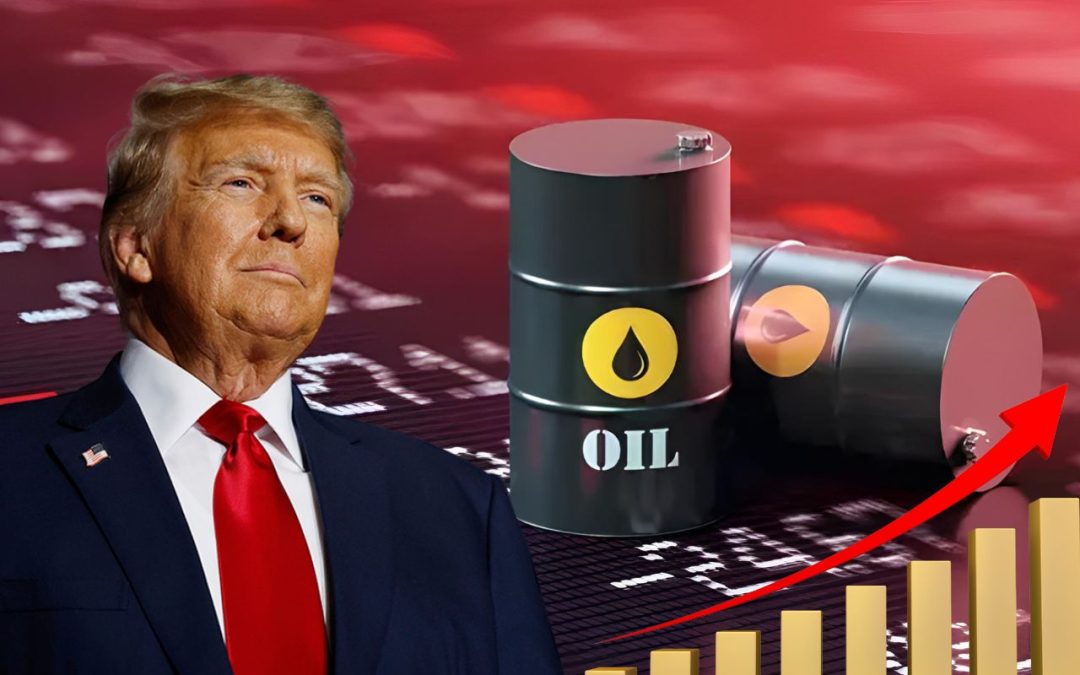
Gas prices at American pumps now average $4.45 per gallon nationally, with California stations in cities like Los Angeles displaying prices above $6 per gallon. The cause traces directly back to February 28, 2026, when the United States and Israel launched Operation Epic Fury, a coordinated military campaign targeting Iranian nuclear and military infrastructure. Iran retaliated by declaring the Strait of Hormuz, a narrow waterway through which approximately 25 percent of the world’s oil supply flows, effectively closed to unfriendly shipping. The result was an immediate and severe disruption to global oil supply that is still unresolved today.
On Tuesday, President Trump launched ‘Project Freedom,’ a military escort initiative to guide commercial vessels through the strait. Just one day later, Trump paused the operation, citing ‘great progress’ in peace negotiations with Tehran. He pledged that the U.S. military blockade of Iranian ports would remain in place regardless. Optimism around a possible deal sent oil prices plunging by as much as 15 percent in a single day, with U.S. crude falling to $88 per barrel. Stocks surged, with the Dow Jones Industrial Average gaining over 610 points.
But Trump himself tempered expectations. Speaking to reporters and posting on Truth Social, he called the assumption that Iran would accept the deal terms ‘perhaps a big assumption’ and warned explicitly that if negotiations failed, bombing would resume at ‘a much higher level and intensity.’ The message to markets and to the American public was clear: the situation remains extremely fluid, and gas prices could move sharply in either direction within days.
For American families, the math is brutal. The average American household drives roughly 15,000 miles per year. At $4.45 per gallon with a 15-gallon tank and a vehicle averaging 25 miles per gallon, families are now spending approximately $3,870 per year on gasoline alone, up from roughly $2,600 at the pre-conflict price baseline. In California, where prices exceed $6 per gallon, annual fuel costs for the same driving pattern exceed $5,200. These are not abstract statistics. They represent real money not spent on groceries, healthcare, mortgage payments, or saving for retirement.
The White House spokeswoman told Fox News that gas prices would ‘plummet’ if and when the conflict ends and the strait reopens. However, energy analysts caution that even a ceasefire would not produce overnight price relief. Shipping companies that suspended strait operations will not immediately resume transits. Sea mines laid by Iran in the waterway must be cleared. War-risk insurance premiums that have soared to unprecedented levels will not normalize quickly. The full restoration of pre-conflict oil flows could take weeks to months after any agreement is signed.
Read More: Trump’s AI-Powered Immigration Enforcement System Raises Due Process Alarms as Visa Refusals Hit Decade High
There are also domestic political dimensions to the energy crisis. Democrats are outpacing Republicans in voter enthusiasm ahead of the 2026 midterm elections, according to the latest NPR/PBS NewsHour/Marist poll. Six in 10 Americans disapprove of how President Trump is handling the Iran situation, a figure that could shape November election outcomes if prices remain elevated. For an administration that came to office promising energy dominance and lower costs, the current gas price reality represents a significant political vulnerability.
The next 48 hours are pivotal. U.S. officials expect Iran to respond to the core terms of the proposed memorandum of understanding within that window. If Tehran agrees, the world may see the beginning of the end of the Hormuz crisis. If Iran rejects the terms or stalls, the United States has signaled that military operations will resume with greater intensity. Either outcome will produce immediate, measurable consequences for the American families watching gas prices every time they pull into a station.


