
Washington, October 16, 2025
The United States’ growing dependence on China for rare earth elements has emerged as a critical issue for national security, technology development, and economic competitiveness. Rare earths a group of 17 chemical elements essential for modern electronics, renewable energy, defense systems, and advanced manufacturing , are largely concentrated in China, giving the nation a strategic advantage in global supply chains.
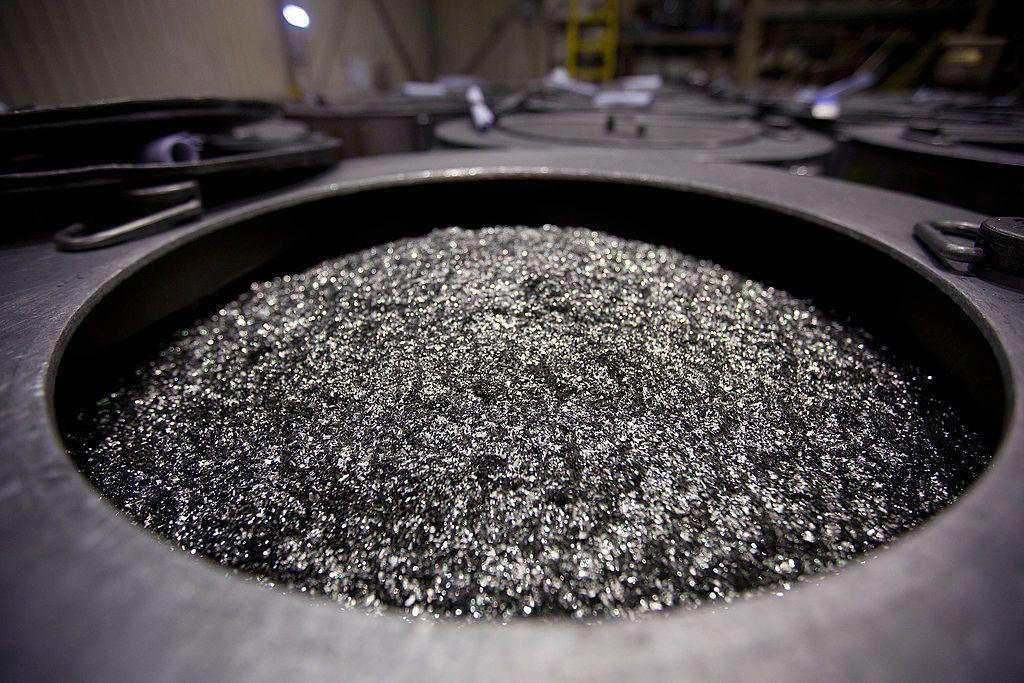
Rare earth elements are key components in everything from electric vehicle batteries, wind turbines, and smartphones to missile guidance systems, lasers, and fighter jets. While the U.S. has domestic deposits of rare earth minerals, production capacity is limited, and refining these materials into usable forms remains a highly technical and resource-intensive process. China currently dominates both mining and processing, supplying more than 80 percent of the world’s rare earth materials.
The reliance on Chinese rare earths has significant geopolitical implications. Any disruption to supply , whether due to trade disputes, export controls, or international tensions , could impact U.S. manufacturing, defense readiness, and technological innovation. Recent discussions among policymakers highlight the urgency of diversifying supply chains and developing domestic extraction, refining, and recycling capabilities to reduce strategic vulnerabilities.
Experts point out that rare earth dependency extends beyond the defense sector. Electric vehicle manufacturers, renewable energy firms, and consumer electronics companies all face potential production bottlenecks if access to these materials is limited or prices spike. This has prompted investment in alternative sources, including partnerships with allied nations, research into synthetic substitutes, and the expansion of U.S. mining and processing infrastructure.
In response to these challenges, the U.S. government has introduced initiatives aimed at incentivizing domestic rare earth production and recycling. Policies include funding for research and development, streamlined permitting for mining projects, and collaborations with private industry to build supply chain resilience. Strategic stockpiles are also being considered to buffer against short-term disruptions.
While reducing dependence on China is a long-term objective, analysts note that the global market for rare earths is highly concentrated and competitive. China’s dominance in refining and processing means that even with domestic mining, the U.S. still relies on foreign expertise for certain high-purity materials. This underscores the complexity of achieving true independence in rare earth supply chains.
The reliance on China also reflects the broader challenges of balancing economic globalization with national security. Policymakers must navigate trade relationships, technological cooperation, and domestic industrial policy to ensure that the U.S. maintains access to the critical materials needed for future innovation and defense capabilities.


