
Washington, October 16, 2025
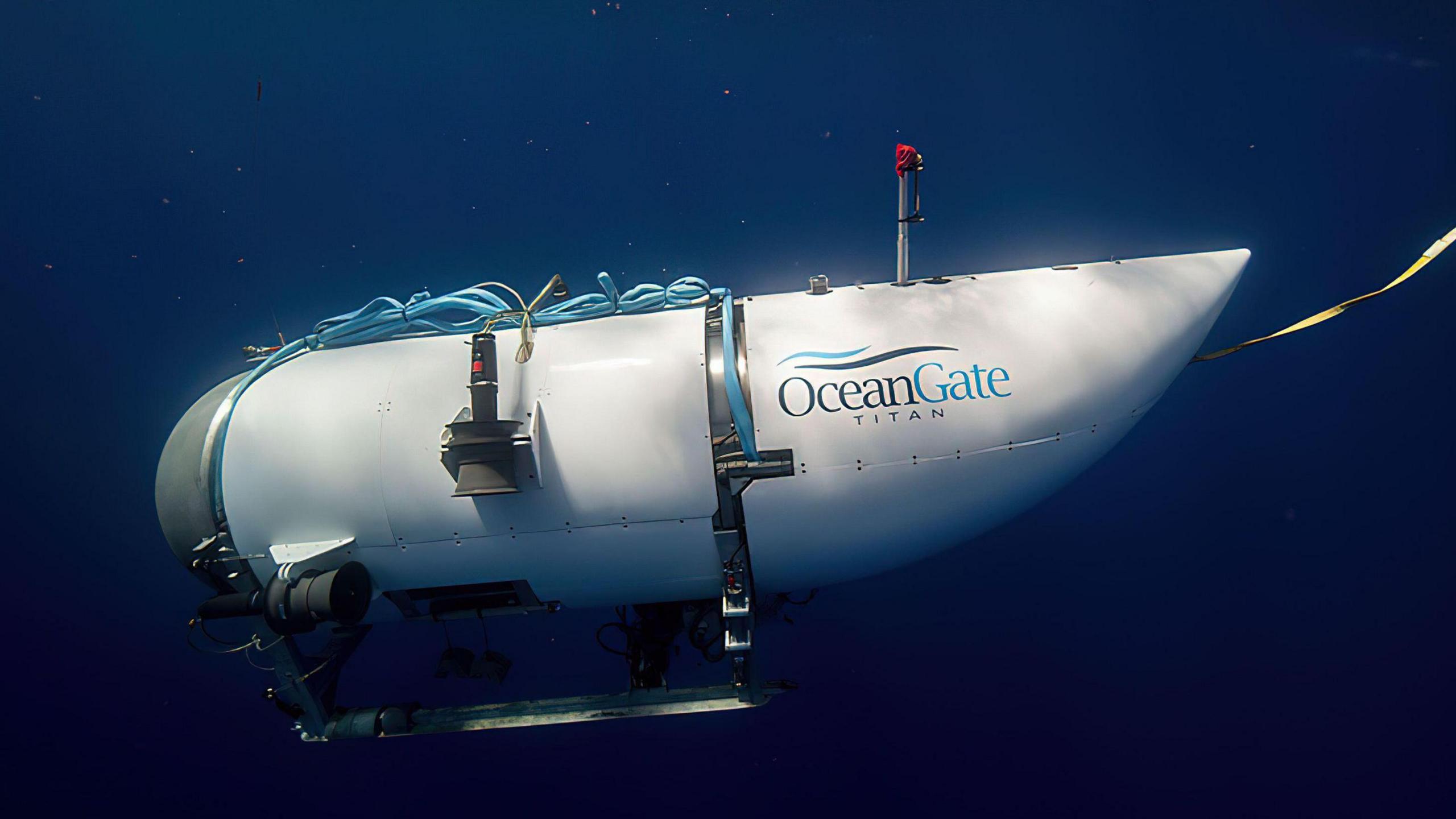
U.S. officials have concluded that the implosion of the Titan submersible, which tragically claimed the lives of its passengers during an expedition to the Titanic wreck site, was caused by critical engineering flaws. The findings shed light on the risks inherent in deep-sea exploration and underscore the importance of rigorous safety standards for submersible vessels operating in extreme environments.
According to the preliminary report released by U.S. authorities, the Titan’s structural integrity was compromised due to inadequate design and material weaknesses, which could not withstand the immense pressure at the ocean depths where the vessel was operating. Investigators stated that the implosion occurred almost instantaneously, leaving no chance for the occupants to survive. The report highlights lapses in both construction oversight and safety certification processes.
The Titan, operated by a private company specializing in deep-sea tourism, had drawn significant attention for its mission to explore the Titanic wreck more than 12,000 feet below the surface of the North Atlantic. Experts had previously warned that such extreme depths posed unique engineering challenges, including enormous water pressure, risk of material fatigue, and potential equipment failure.
Officials emphasized that the tragedy could have been prevented with adherence to established engineering standards, rigorous testing, and independent safety inspections. “This incident is a sobering reminder that deep-sea exploration requires not only cutting-edge technology but also uncompromising safety protocols,” a U.S. Coast Guard spokesperson said.
The investigation has prompted calls for stricter regulations governing private submersibles, particularly those carrying passengers to extreme depths. Lawmakers and safety advocates argue that commercial operations in high-risk environments should be subject to rigorous certification, mandatory inspections, and ongoing monitoring to prevent future disasters.
Families of the victims have expressed grief and frustration over the findings, emphasizing that lessons must be learned to ensure that such a tragedy never occurs again. Advocacy groups for oceanic safety have also pressed for international standards to govern deep-sea expeditions, highlighting that these operations often cross multiple jurisdictions and oceans.
The implosion of the Titan submersible has reignited public discussion about the limits of private space and ocean tourism, the role of regulation, and the responsibility of operators to prioritize human life over profit. Experts note that while technological advances make extreme exploration possible, human safety must remain the overriding concern in all high-risk ventures.


