
Published: Thursday, May 21, 2026 | Breaking News
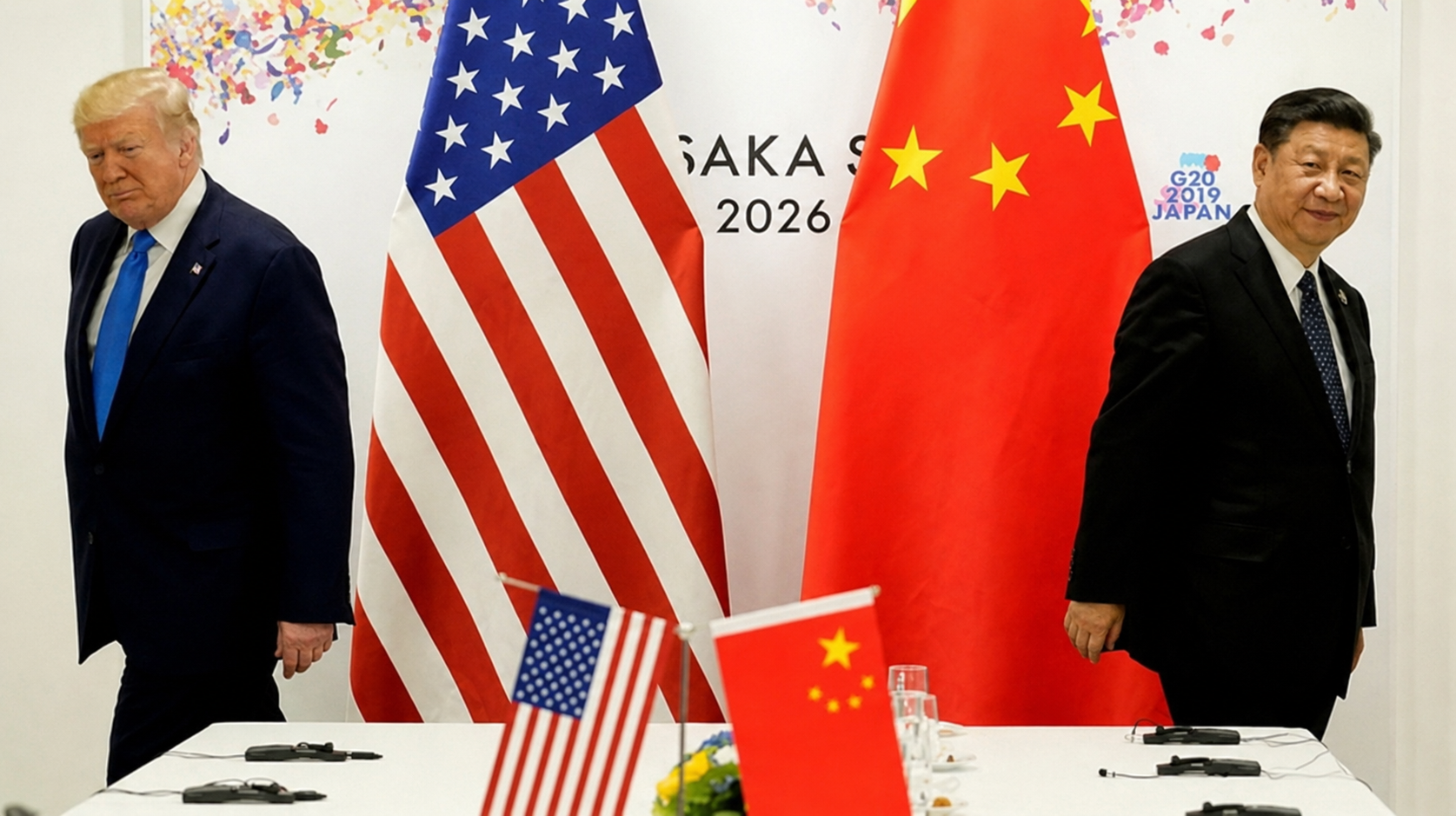
The trade war between the United States and China, the most disruptive economic conflict between two major powers since the Great Depression-era tariff battles of the 1930s, moved decisively toward resolution this week. President Trump’s three-day visit to Beijing produced concrete agreements that are already reshaping corporate planning, supply chain calculations, and financial market positioning on both sides of the Pacific.
The headline number that captured immediate attention was China’s commitment to purchase 200 Boeing aircraft. For Boeing, which has spent years battling production problems, the 737 MAX crisis, and the loss of the Chinese market to Airbus, an order of this scale from the world’s largest aviation market represents a potential turning point. Boeing shares rose sharply on the news, adding billions to the company’s market capitalization in a single trading session. The order is described in White House documentation as an ‘initial purchase,’ implying further Chinese orders could follow if the trade relationship stabilizes.
American farmers, who watched Chinese buyers cancel soybean contracts and redirect agricultural purchases to Brazil, Argentina, and Australia during the worst of the trade war, now have a committed buyer again. China pledged to buy at least $17 billion in US agricultural goods annually through 2028, a commitment that comes on top of separate soybean purchase agreements made in October 2025. American beef and poultry, which Beijing had blocked from Chinese markets, are now permitted again.
The institutional framework created by the summit is in some ways more significant than any individual deal. The establishment of a US-China Board of Trade and a Board of Investment creates permanent bodies with defined mandates to manage the economic relationship, resolve disputes at the technical level before they escalate to the political level, and coordinate on investment screening and market access issues. These boards represent the most substantive bilateral economic governance structure between the two countries since the Strategic and Economic Dialogue was abandoned.
The financial markets’ reaction spoke clearly. Asian equities rose broadly after the summit outcomes were announced. US futures markets pointed higher. Commodity prices in sectors tied to Chinese demand, including iron ore, copper, and agricultural products, moved up. The Australian dollar, which functions as a proxy for risk appetite in Asian markets, gained significantly. Fund managers who had underweighted Chinese assets during the trade war began reassessing their positions.
Trump’s security achievement at the summit was the personal assurance from Xi that China will not supply military equipment to Iran. Given the ongoing conflict that has closed the Strait of Hormuz and sent global oil prices to multi-year highs, any reduction in external military support for Iran carries genuine strategic weight. Trump called it ‘a big statement,’ and it is, though analysts note that verifying and enforcing such a commitment depends entirely on whether China chooses to honor it.
The Taiwan question was present throughout the meetings. Xi warned explicitly that the island’s status could lead to ‘clashes and even conflicts’ if not handled properly, and the US side acknowledged Beijing’s position without reversing America’s longstanding policy of strategic ambiguity. The acknowledgment was enough for China to characterize the conversation as productive. The Taiwan issue was not resolved; it was, for now, managed.
American technology companies represented by their most prominent CEOs, including Elon Musk and Apple’s Tim Cook, accompanied Trump to Beijing and held separate meetings with Chinese Premier Li Qiang on trade and economic cooperation. Their presence signals that the US business community, which has deep financial interests in maintaining Chinese market access, pressed hard for a diplomatic resolution and that their lobbying influenced the administration’s willingness to pursue this summit.
Read More: Trump Administration Suspends Immigrant Visa Processing for 75 Nations and Closes Immigration Detention Oversight Office as Courts Push Back
The two presidents agreed to meet again in the United States in September 2026. That follow-up meeting will determine whether the agreements reached in Beijing translate into durable policy changes or prove to be a reset that unravels when the next economic or geopolitical flashpoint arrives. The track record of US-China relations over the past decade is a graveyard of promising diplomatic moments that dissolved under subsequent pressure.
For American consumers and businesses, the practical near-term effects of this deal are real but modest. Supply chains dislocated by the trade war do not return to normal overnight. Chinese companies that invested in alternative supply relationships during the tariff war will not immediately abandon those relationships. But the direction of travel has changed, and direction matters enormously when businesses make investment decisions that play out over years. The Beijing summit is not the end of US-China economic tension. It is, possibly, the beginning of a managed coexistence that both sides have chosen over the alternative.


