
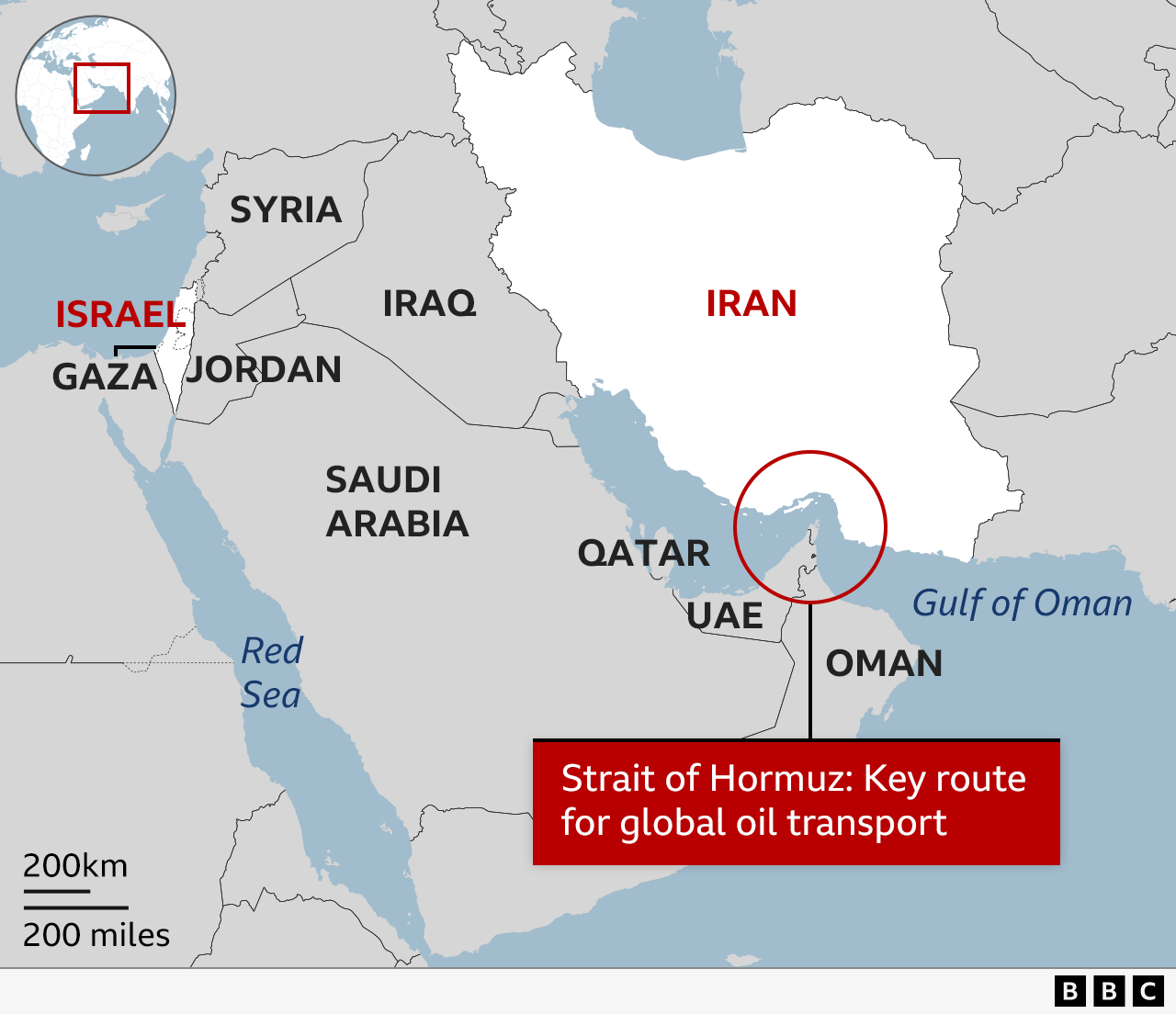
President Donald Trump gave the U.S. military less than 24 hours’ notice before Operation Project Freedom went live. Sunday afternoon, Trump announced from the White House that his administration would begin “guiding” ships through the Strait of Hormuz starting Monday. By dawn Monday, May 4, guided-missile destroyers were in the Persian Gulf, aircraft were in the air, and two American-flagged merchant vessels were preparing to cross the most contested 21 miles of ocean on earth.
The operation’s official goals, as described by Defense Secretary Pete Hegseth during a Pentagon briefing, are to protect innocent commercial shipping from Iranian aggression, break the functional Iranian blockade of the strait, and restore the free flow of oil and LNG to world markets. “Project Freedom is defensive in nature, focused in scope, temporary in duration, and with one mission,” Hegseth said. U.S. forces would not need to enter Iranian waters or airspace to accomplish that mission, he added.
The operational assets deployed are substantial. CENTCOM committed over 100 land- and sea-based aircraft, multiple guided-missile destroyers, and multi-domain unmanned platforms. As of late April, 12 U.S. destroyers operated in the Middle East theater. The initial protected corridor runs through Omani waters, where CENTCOM designated what it calls an “enhanced security area” for commercial ships to follow.
Day one, by military standards, was a success. Two U.S.-flagged vessels crossed the strait safely. Maersk’s Alliance Fairfax, operated through a Farrell Lines subsidiary, was the most high-profile transit. Maersk’s statement confirmed all crew members were safe and unharmed. CENTCOM posted confirmation on social media that both ships had passed without incident. Defense Department analysts declared the mission “off to a strong start.”
But Iran immediately signaled its refusal to accept the new reality. IRGC Commander Major General Pilot Ali Abdollahi delivered a stark warning through state broadcaster IRIB: any military force approaching or entering the Strait of Hormuz would be targeted. Tehran issued a new navigational map asserting expanded Iranian control over the waterway and told commercial operators to coordinate with Iranian authorities before transiting. Hours later, two Iranian drones struck a UAE-linked tanker. A major fire broke out at the Fujairah Oil Industry Zone. Iran denied the drone attack. The UAE directly blamed Iran.
Before the war began on February 28, 2026, the Strait of Hormuz saw approximately 120 commercial ships per day. The war reduced that flow to near zero. The energy market consequences have been severe. Global oil prices have surged, LNG has become scarce across Asian markets, and shipping insurance premiums have made the strait commercially nonviable for most operators regardless of military protection.
Read More: Trump’s AI-Powered Immigration Enforcement System Raises Due Process Alarms as Visa Refusals Hit Decade High
Military analysts caution that scaling Project Freedom from two ships to 120 per day is a monumental challenge. Retired U.S. Army Lieutenant General Karen Gibson put the tension plainly: “Commercial confidence is really the center of gravity.” Iran does not need to shoot down every ship. It only needs to make shippers and their insurers nervous enough to stay away. Two ships a day versus 120 a day is not a reopened strait. It is a proof of concept.
Iran’s proposal to end the war entirely — demanding sanctions relief, removal of the U.S. naval blockade of Iranian ports, withdrawal of U.S. forces, and a full cessation of hostilities — remains on Trump’s desk. The president expressed skepticism it would lead to a deal but confirmed he is reviewing it. Friday, May 8, is the next official reassessment date. Whether Project Freedom becomes the mechanism that forces Iran to the table — or the spark that unravels the ceasefire entirely — is the defining geopolitical question of the moment.


