Usanewstrend.com | May 23, 2026 | US Energy & Economy | Breaking News
American drivers are feeling the consequences of the Iran conflict every time they stop at the gas pump. National average gasoline prices have crossed the $4 per gallon threshold, driven by Brent crude oil prices that hit $116 per barrel this week amid the sustained effective closure of the Strait of Hormuz. The energy shock is complicating the Federal Reserve’s work, straining American household budgets, and injecting new uncertainty into an economy that had been showing signs of stabilizing after years of inflation volatility.
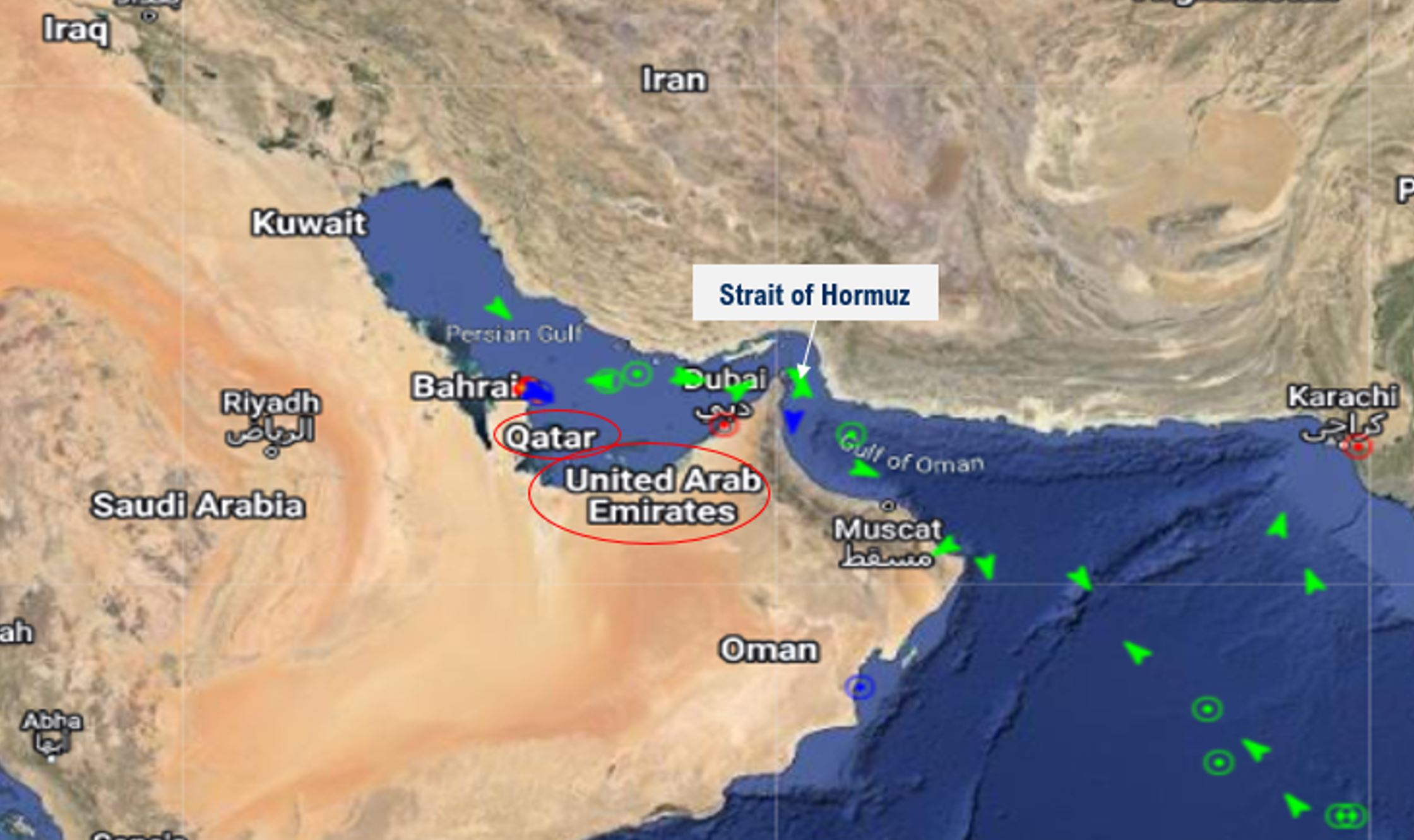
The arithmetic of the Strait of Hormuz is simple and brutal. Approximately 21 percent of the world’s petroleum liquids normally flow through this narrow waterway between the Persian Gulf and the Gulf of Oman. When the strait becomes effectively impassable due to military threats, drone operations, and insurance costs that force major shipping lines to halt transit, a fifth of the world’s oil supply is disrupted. The price consequences are immediate and global.
Brent crude, the international benchmark, has risen 74 percent year-to-date. U.S. consumers have absorbed most of that increase at the pump, with the price of a gallon of regular gasoline climbing past $4 nationally for the first time since the inflation peak of the early pandemic recovery years. In states like California, where taxes and regulatory costs add significantly to fuel prices, drivers are paying considerably more.
The Federal Reserve’s response to this energy-driven inflation creates its own complications. Under new Federal Reserve Chair Kevin Warsh, the central bank has been holding rates steady as it assesses whether the energy price shock is a temporary disruption or the beginning of sustained inflationary pressure. Swap market pricing this week suggests traders expect the Fed to keep rates flat through the rest of 2026, a posture that differs from the rate hike expectations now priced into European markets. The U.S. 30-year Treasury yield jumped to 5.121 percent on Friday, the highest since May 2025.
The Biden-era expansion of domestic oil production that gave the United States relative energy independence is now being tested by a conflict that has removed a significant portion of global supply from markets. American oil producers have responded to higher prices by increasing output, but the global price signal is so strong that domestic production increases alone cannot fully offset the geopolitical disruption premium that markets are pricing in.
The G7 response has helped contain the worst outcomes. When Brent crude briefly surged past $119 per barrel in mid-May, the G7’s unified signal that it was prepared to authorize a massive, coordinated release of strategic petroleum reserves from the International Energy Agency stocks helped drag prices back. That psychological intervention placed a ceiling on the market, signaling to speculators that the world’s largest economies would not tolerate a sustained price explosion. But the underlying supply disruption remains unresolved.
Energy sector analysts are watching two variables closely: the diplomatic progress in Iran nuclear talks and the timeline for Strait of Hormuz reopening. The International Capital Group projected this week that if energy prices begin to normalize in the second half of 2026, the U.S. economy has a reasonable path back toward growth. If the strait remains effectively closed into the fourth quarter, the risk of a consumer-led recession increases substantially.
For American households, the energy shock is not abstract. Transportation, heating, and cooling costs are all rising. The businesses that move goods across the country are passing higher fuel costs into the prices of everything from groceries to construction materials. The cumulative effect is a cost-of-living pressure that is particularly acute for lower-income households, which spend a larger share of their budgets on energy and food.
Read More: Trump Immigration Crackdown Eliminates Detention Oversight Office, Blocks TPS for Yemen as Legal Battles Multiply
The political implications are real. Energy prices have historically been one of the most reliable predictors of presidential approval ratings. With midterm elections approaching, the administration is under significant pressure to show that its Iran policy is producing results that bring prices down rather than locking in a sustained energy emergency. The diplomatic push for a negotiated settlement that reopens the strait carries enormous domestic political weight alongside its geopolitical importance.
The United States has tools available to manage this crisis that many other countries do not. Strategic petroleum reserves, domestic production capacity, and the ability to coordinate with G7 partners all provide buffers. But those buffers have limits, and the situation in the Middle East remains fragile. The energy security test of 2026 is not over, and its outcome will shape both the economic environment and the political landscape heading into the final two years of the Trump second term.