
Published: Thursday, May 21, 2026 | Breaking News
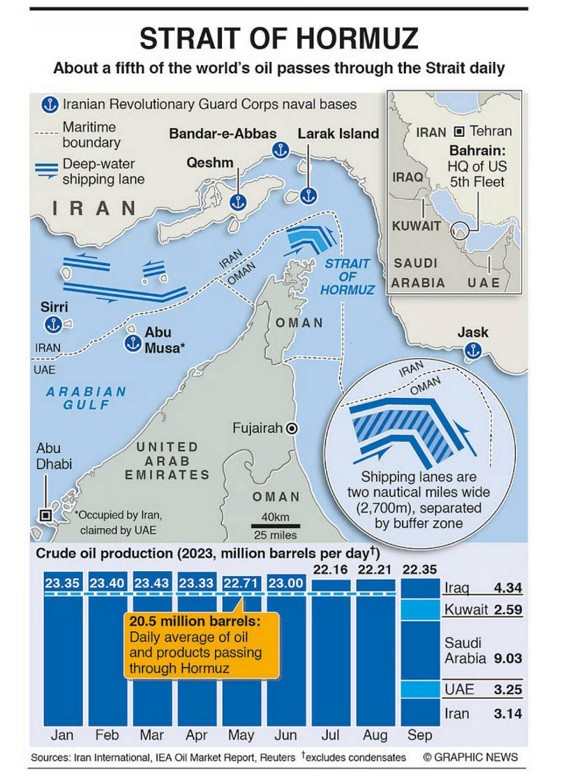
The energy security assumptions that underpinned global economic planning for decades have shattered. The effective closure of the Strait of Hormuz since late February 2026, a consequence of the Iran conflict, has removed nearly a fifth of the world’s traded oil supply from accessible markets. The resulting price surge, supply disruption, and forced adaptation across energy markets is the most consequential energy crisis since the 1973 Arab oil embargo, and its full economic impact is still unfolding.
Brent crude oil averaged $117 per barrel in April 2026. On April 7, it hit $138 per barrel, a level that immediately affected the calculations of every energy-dependent industry on earth. Airlines, shipping companies, petrochemical producers, power generators, and manufacturers simultaneously faced cost structures that their business models were not built to absorb. The speed of the price movement left little time for orderly adaptation.
The supply math is stark. Saudi Arabia, the UAE, Kuwait, Iraq, Qatar, and Bahrain together shut in an estimated 10.5 million barrels per day of production in April as the conflict disrupted their export infrastructure and access to the Strait. The International Energy Agency calculates that global oil supply has fallen by 12.8 million barrels per day from pre-conflict levels. To put that in perspective, the combined oil production of Russia and Canada is roughly 17 million barrels per day. The loss from the Gulf alone is a shock of almost comparable magnitude.
The United Arab Emirates made a historic decision in this context, announcing its withdrawal from OPEC effective May 1, 2026. The UAE, which had been a significant holder of spare production capacity within the cartel, calculated that its interests were better served outside the organization as it sought to redirect exports through alternative terminals that bypass the Strait of Hormuz. The departure leaves OPEC with substantially reduced spare capacity, limiting the cartel’s ability to stabilize prices through coordinated production adjustments.
OPEC’s response, an increase of 188,000 barrels per day from remaining members, is dwarfed by the scale of the supply disruption. Analysts described the move as symbolic rather than substantive, a signal of intent to support markets rather than a meaningful addition to available supply. The organization’s credibility as a price management body depends on its ability to act at the margin; when the market disruption comes from conflict rather than market dynamics, OPEC’s tools are simply inadequate to the scale of the problem.
Atlantic Basin producers are running at maximum capacity to fill the gap. US oil production, already near record levels, has been pushed higher by emergency measures including expedited permitting and temporary relaxation of export restrictions on certain crude grades. Norway, Brazil, and Guyana are producing at capacity. The additional supply from these sources provides relief, but cannot compensate fully for the Gulf losses.
The economic damage is spreading through inflation channels that central banks around the world are struggling to contain. Energy price increases flow through to transportation, manufacturing, food production, and heating costs within weeks. In Europe, where energy security was already a central policy concern following the Russia-Ukraine conflict, the Hormuz closure has rekindled fears of energy rationing. Several European governments activated emergency energy demand-reduction protocols in April, including nighttime lighting restrictions on commercial buildings and adjusted thermostat requirements for public buildings.
A peace proposal from Iran, transmitted through Pakistani mediators this week, has introduced cautious optimism into oil markets. Prices fell roughly 3 percent on Friday after the proposal was confirmed, with Brent settling around $108 per barrel. Military analysts and diplomatic sources are divided on whether the proposal represents a genuine path to ceasefire or a delay tactic. The difference between those scenarios is worth approximately $30 per barrel in oil prices, with correspondingly enormous implications for global inflation and growth.
Read More: Trump Administration Suspends Immigrant Visa Processing for 75 Nations and Closes Immigration Detention Oversight Office as Courts Push Back
The longer-term structural consequence of this crisis may be the acceleration of energy transition investment beyond anything climate policy alone had achieved. When fossil fuel price volatility destroys business plans and government budgets with this speed, the economic case for energy independence through renewable generation becomes overwhelming without reference to environmental arguments. Investment in solar, wind, battery storage, and nuclear power has accelerated across every major economy. The Hormuz crisis is doing more to diversify the global energy mix than any carbon price ever implemented.
The US Energy Information Administration’s base case scenario is that the Strait begins to reopen in late May and shipping traffic gradually normalizes through June. Even under that optimistic timeline, the EIA projects global oil inventories will fall by an average of 8.5 million barrels per day in the second quarter of 2026, keeping prices elevated well into summer. The global economy entered 2026 hoping the worst of recent shocks was behind it. The Hormuz crisis ensures that hope must wait a while longer.


